
outbound vs inbound sales: Mastering Modern Customer Acquisition with AI
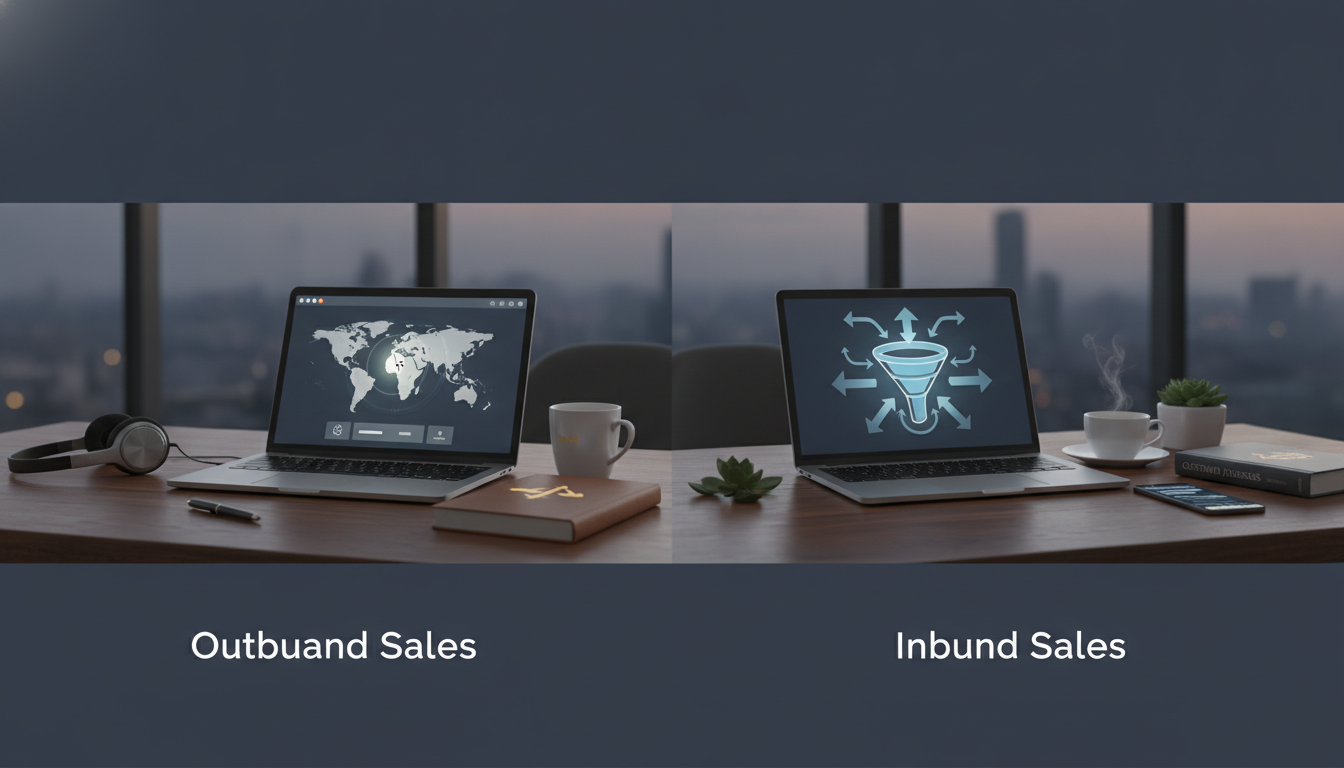
outbound vs inbound sales: Mastering Modern Customer Acquisition with AI
NextGen Sales empowers B2B organizations to navigate the complexities of modern sales with precision. Understanding the fundamental differences between outbound and inbound sales is crucial for crafting a scalable, revenue-generating strategy. This guide dissects each approach, revealing how NextGen Sales' AI-driven methodologies optimize both for unparalleled growth and sustained success.
Understanding Inbound Sales: Attracting the Right Opportunities
The Core Principles of Inbound Engagement
Inbound sales revolves around attracting prospects who have already expressed interest in your products or services, pulling them into your sales funnel through valuable content and engagement. This methodology prioritizes building trust and rapport by addressing their pain points and providing solutions proactively. Companies often find higher conversion rates with inbound leads due to pre-qualified intent, reducing the overall sales cycle length significantly.
Leveraging Inbound Channels for Qualified Leads
Effective inbound strategies utilize various digital channels to capture potential customers seeking answers or solutions. Search engine optimization, content marketing, social media engagement, and webinars are primary drivers for generating marketing qualified leads (MQLs). These efforts collectively create a consistent flow of engaged prospects, laying the groundwork for sales qualified leads (SQLs) and ultimately, customer acquisition.
Deciphering Outbound Sales: Proactive Prospecting for Growth
The Strategic Execution of Outbound Outreach
Outbound sales involves proactively reaching out to potential customers who may not yet be aware of your offerings, initiating contact directly to generate new business. This approach is particularly effective for targeting specific market segments, launching new products, or accelerating growth in competitive landscapes. In practice, teams often find that a well-defined outbound strategy provides faster feedback loops on product-market fit and market receptiveness.
Essential Tools and Tactics for Effective Outbound
Successful outbound sales relies on a combination of strategic prospecting, personalized outreach, and robust technology. Cold calling, cold email campaigns, social selling via platforms like LinkedIn Sales Navigator, and direct mail are common tactics used by sales development representatives (SDRs) and business development representatives (BDRs). Utilizing a sophisticated CRM system alongside sales engagement platforms, as championed by Nextgensales Sales Consulting Services, enhances targeting precision and automates repetitive tasks.
Outbound vs Inbound Sales: A Strategic Comparison for Scalability
Fundamental Differences in Approach and Investment
The core distinction between inbound and outbound lies in who initiates contact and the associated customer acquisition costs (CAC). Inbound typically requires upfront investment in content and SEO, yielding long-term, compounding results with lower per-lead costs over time. Outbound demands continuous effort in prospecting and outreach, often with higher initial per-lead costs but providing immediate control over lead volume.
| Feature | Inbound Sales | Outbound Sales |
|---|---|---|
| Lead Initiation | Prospect-driven | Sales Rep-driven |
| Key Channels | SEO, Content, Social Media, Webinars | Cold Calling, Cold Email, Social Selling |
| Sales Cycle | Often shorter, higher conversion rates | Can be longer, requires persistence |
| Cost per Lead | Lower over time (initial investment) | Higher, but scalable and controllable |
| Buyer Intent | High, actively seeking solutions | Variable, requires nurturing interest |
Optimizing Hybrid Models with NextGen Sales' AI-Driven Strategies
Leading organizations increasingly adopt a hybrid sales model, blending the best of both worlds to maximize efficiency and reach. This integrated approach leverages inbound insights, like website activity or content downloads, to inform highly targeted outbound outreach. NextGen Sales specializes in building sophisticated infrastructures that utilize AI to identify buying signals, personalize messaging, and streamline workflows, creating a seamless customer journey from initial interest to conversion, effectively combining these methods for superior results. Also read: AI Sales Strategy Consulting.
Tailoring Your Sales Strategy: Which Approach is Right for Your Business?
Deciding Between Inbound, Outbound, or a Blended Strategy
Choosing the optimal sales approach depends on several factors, including your industry, target audience, product complexity, and growth objectives. Companies with established brand recognition and educational content often thrive with inbound, while those entering new markets or selling high-value, complex solutions may find outbound more effective. The most powerful strategy often emerges from a calculated blend, adapting dynamically to market feedback.
- Assess Your Product-Market Fit: For nascent products, outbound provides faster feedback loops to validate market demand.
- Evaluate Your Content Assets: Strong content marketing infrastructure supports a robust inbound funnel.
- Determine Average Contract Value (ACV): High ACV products often justify the personalized, resource-intensive nature of outbound sales.
- Analyze Sales Cycle Length: Inbound typically shortens sales cycles for readily understood solutions, while outbound can accelerate engagement for complex enterprise deals.
- Review Your Competitive Landscape: Understand how competitors acquire customers to identify strategic gaps and opportunities for differentiation.
Maximizing ROI and Adaptability with Expert Guidance
Implementing either inbound or outbound, or a sophisticated hybrid, requires a clear strategy, optimized processes, and continuous measurement. NextGen Sales provides a comprehensive Playbook service guide, offering the frameworks and AI tools necessary to scale your revenue operations efficiently and predictably. We ensure your sales infrastructure is systematically designed for peak performance, allowing you to adapt swiftly to market changes and secure a competitive advantage without concerns about our .
Frequently Asked Questions
Is outbound or inbound sales more effective?
Neither is universally more effective; the optimal choice depends on your specific business, target market, and product offering, often benefiting most from a blended approach.
What is an example of outbound sales?
An example of outbound sales is a sales development representative cold calling a list of target companies to gauge their interest in a new software solution.
What is an example of inbound sales?
An example of inbound sales is a prospect downloading an e-book from your website, then receiving a personalized follow-up email from a sales representative.
What is the difference between inbound and outbound leads?
Inbound leads initiate contact and show prior interest, while outbound leads are prospects sales teams proactively reach out to.
Which sales approach has higher conversion rates?
Inbound sales generally boast higher conversion rates because prospects have already demonstrated interest and intent, making them more qualified from the outset.