
inbound and outbound sales: Mastering the Hybrid Approach for 2026 Growth
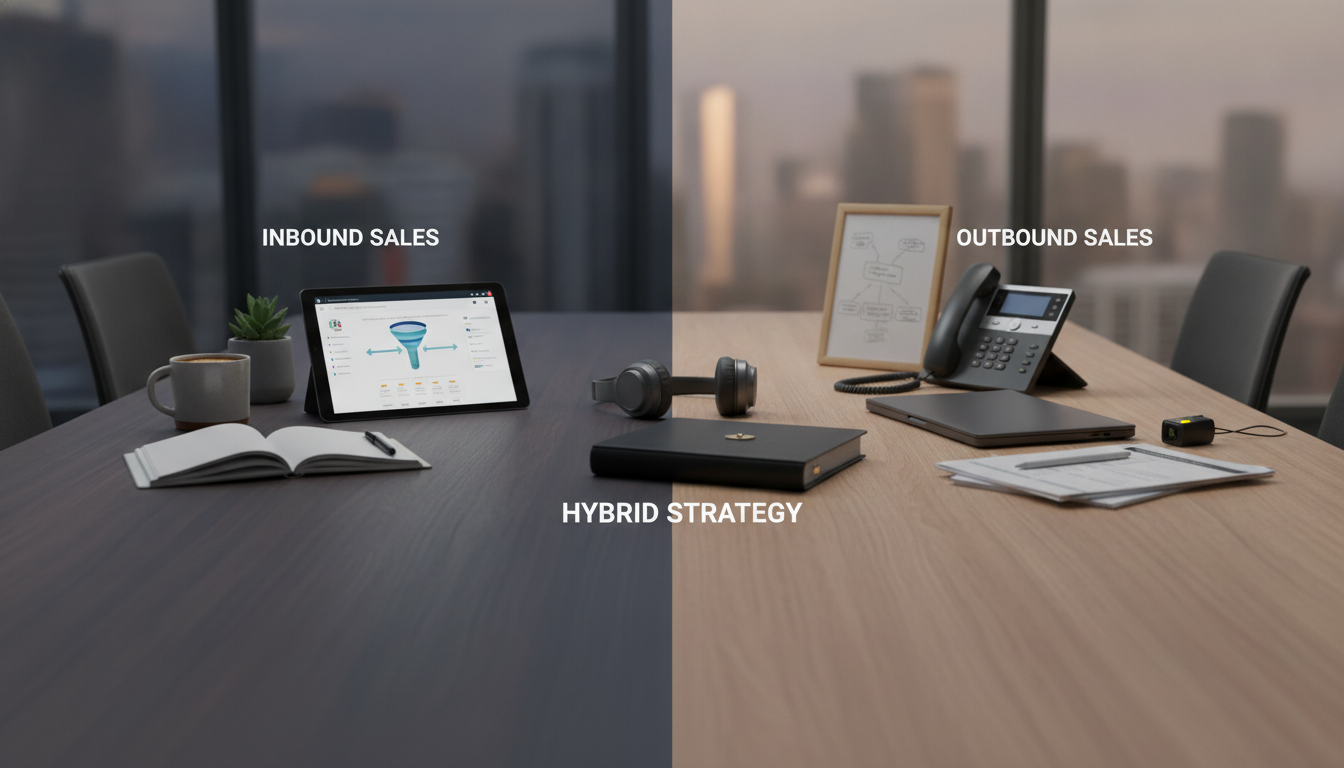
inbound and outbound sales: Mastering the Hybrid Approach for 2026 Growth
In the dynamic landscape of B2B revenue generation, understanding the fundamental distinctions and synergies between inbound and outbound sales is paramount. These two core methodologies drive customer acquisition through vastly different approaches, each offering unique advantages. Effective organizations now prioritize a nuanced integration of both, leveraging their strengths to build robust, scalable sales pipelines. This guide provides a comprehensive overview for sales leaders looking to optimize their strategies for future market demands.
Understanding Inbound and Outbound Sales Methodologies
Defining Inbound Sales: Attracting Engaged Prospects
Inbound sales focuses on attracting prospects who have already demonstrated interest in a company's products or services through their own research. This approach leverages valuable content, search engine optimization, and social media engagement to pull leads into the sales funnel. Sales professionals then guide these 'warm' leads through their buyer journey, providing solutions tailored to their expressed needs and challenges.
Defining Outbound Sales: Proactive Prospecting Strategies
Outbound sales involves proactively initiating contact with potential customers who may or may not be actively seeking a solution. This method requires sales teams to identify target accounts and reach out directly through channels like cold calling, email campaigns, or social selling. While often perceived as more challenging, an effective sales outsourcing agency India can significantly enhance the efficiency and impact of outbound efforts, turning cold outreach into meaningful conversations.
Core Differences and Strategic Implications
Distinguishing between inbound and outbound sales goes beyond just how contact is initiated; it affects the entire sales cycle, lead quality, and resource allocation. Understanding these core differences is essential for designing an effective sales strategy. The table below outlines the primary divergences, offering a clear comparative framework for decision-makers.
| Feature | Inbound Sales | Outbound Sales |
|---|---|---|
| Lead Source | Customer-initiated (pull) | Sales rep-initiated (push) |
| Buyer Intent | High, actively seeking solutions | Variable, awareness may be low |
| Engagement Style | Consultative, problem-solving | Assertive, value proposition-driven |
| Sales Cycle | Often shorter, higher conversion | Can be longer, requires nurturing |
| Cost Per Lead | Lower over time with content scale | Higher due to direct outreach effort |
| Scalability | Organic, grows with content reach | Directly scales with sales team size |
Comparing Lead Generation and Buyer Journey Dynamics
Inbound sales nurtures leads who discover solutions through targeted content, aligning with a self-driven buyer journey. Conversely, outbound sales aims to create demand by identifying ideal customer profiles and directly engaging them, often introducing a solution before the prospect recognizes a need. This fundamental difference shapes the initial engagement strategy and the subsequent nurturing process. The approach to generating leads profoundly impacts the length and complexity of the sales cycle.
Operational Costs and Resource Allocation
The financial investment for inbound sales often leans towards marketing and content creation, yielding compounding returns as content gains traction. Outbound sales typically involves higher upfront costs associated with extensive research, sales engagement tools, and dedicated sales development representatives. Efficient budget management and a clear understanding of potential returns, including considerations like a Refund Policy services for certain engagements, are crucial for both models to ensure sustainable growth.
Optimizing Sales Performance: Techniques and Team Structures
Modern Inbound and Outbound Sales Techniques
Modern inbound sales thrives on personalization, utilizing CRM data to tailor content recommendations and engagement sequences, ensuring a highly relevant buyer experience. For outbound, the shift is towards hyper-personalized outreach leveraging intent data, multi-channel cadences, and value-first messaging rather than generic cold calls. Effective teams often refer to a Playbook service guide to standardize and refine these evolving techniques across their entire sales organization, ensuring consistent and high-quality interactions.
Building Effective Inbound and Outbound Sales Teams
Inbound sales teams typically feature Sales Development Representatives (SDRs) who qualify Marketing Qualified Leads (MQLs) before handing them off to Account Executives (AEs). Outbound teams often employ Business Development Representatives (BDRs) dedicated to prospecting and initiating new conversations, again transferring to AEs for deal closure. Both structures require robust training and clear handoff protocols to maintain momentum and ensure seamless customer experience.
Integrating Strategies for a Unified Sales Engine
The Hybrid "Allbound" Sales Model
The most effective strategy for sustainable B2B growth often involves an integrated "allbound" approach, combining the strengths of both inbound and outbound methodologies. This model ensures no potential lead source is overlooked, maximizing market coverage and pipeline generation. Implementing a successful hybrid strategy requires careful coordination and clearly defined processes across sales and marketing teams.
Here are key steps to establishing an allbound sales model:
- Align Sales and Marketing: Ensure both departments share common goals, lead definitions, and a unified view of the customer journey.
- Define Lead Scoring and Handoffs: Create explicit criteria for qualifying leads and a seamless process for transferring prospects between marketing, inbound SDRs, and outbound BDRs.
- Implement Multi-Channel Cadences: Design outreach sequences that blend inbound content delivery with targeted outbound communication, adapting to prospect engagement signals.
- Leverage Integrated CRM and Sales Engagement Platforms: Utilize technology to track all touchpoints, automate repetitive tasks, and provide a holistic view of every prospect across both inbound and outbound efforts.
- Continuously Analyze and Optimize: Regularly review performance metrics for both channels, identifying bottlenecks and opportunities for improvement to refine the strategy over time.
Key Metrics and AI Enablement for Scalable Growth
Measuring the success of both inbound and outbound efforts requires tracking specific Key Performance Indicators (KPIs) such as Marketing Qualified Leads (MQLs), Sales Qualified Leads (SQLs), conversion rates, and pipeline velocity. AI-driven strategies can significantly enhance both methodologies, from predicting lead quality to automating personalized outreach sequences and optimizing sales workflows. For organizations seeking to scale revenue through such advanced, systematic infrastructure, engaging with Nextgensales Sales Consulting Services offers a clear path to leveraging AI for competitive advantage.
Frequently Asked Questions
What is the primary difference between inbound and outbound sales?
The primary difference is that inbound sales attracts customers who have expressed interest, while outbound sales proactively reaches out to potential customers.
Which sales strategy, inbound or outbound, is more effective for B2B companies?
The most effective strategy for B2B companies is often a hybrid "allbound" approach that combines the strengths of both inbound and outbound methods for comprehensive market coverage.
What are common tools used in inbound and outbound sales?
Common tools include CRM platforms, sales engagement software, marketing automation systems, and lead intelligence databases.
How can AI enhance both inbound and outbound sales efforts?
AI can enhance sales by automating personalization, predicting lead quality, optimizing outreach timing, and providing insights for strategy refinement across both methodologies.